
Lingerie and Swimwear Manufacturing Model Decision Matrix
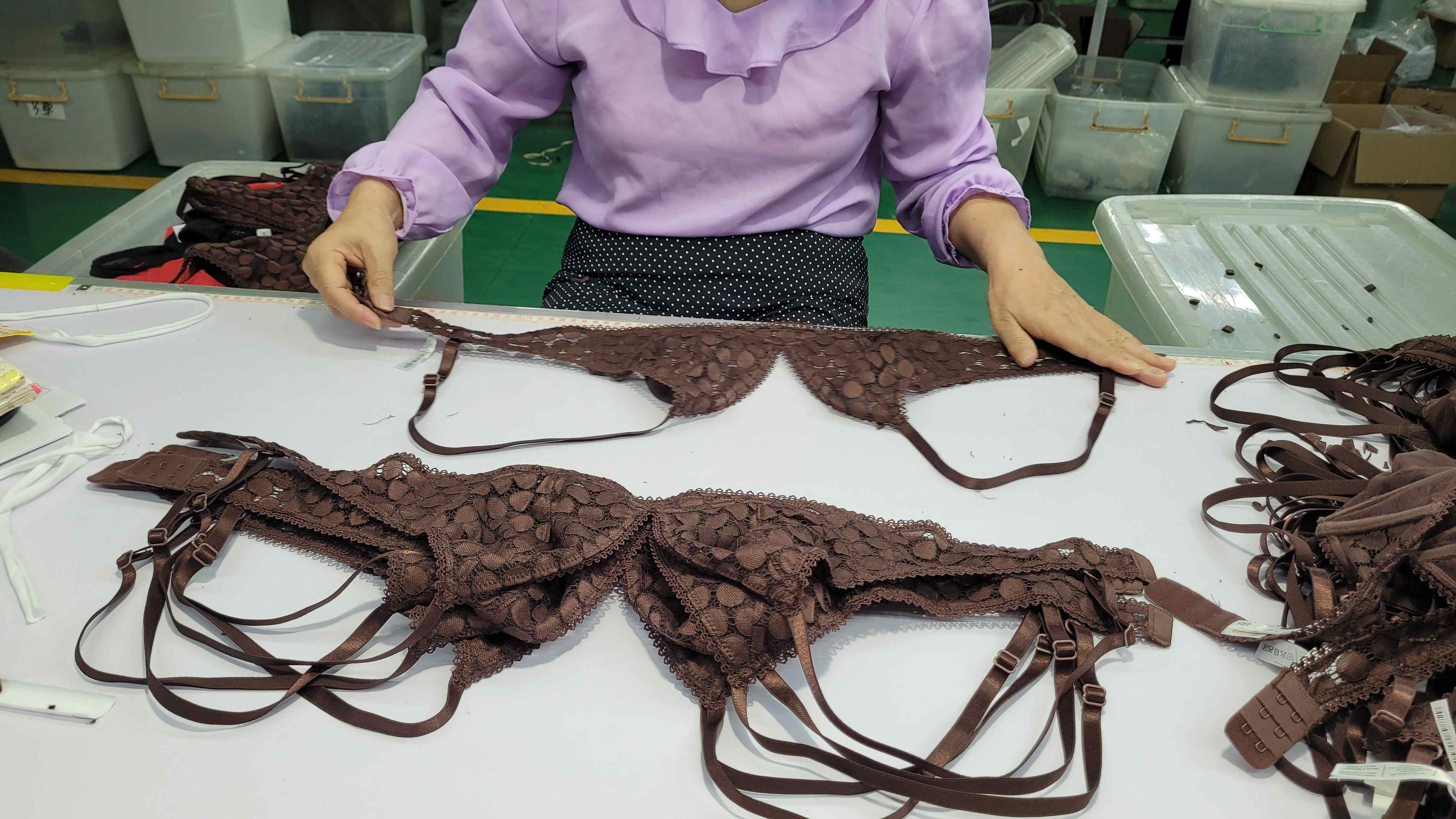
Choose OEM when you own production-ready designs and can manage development; choose ODM when you need a supplier-developed base with meaningful adaptation; consider private label when speed and assortment testing matter more than product exclusivity. The final choice must also account for MOQ, sampling, inventory exposure, compliance, quality verification, ownership, and replenishment.
- Startups often benefit from ODM or adaptable private label unless their technical files are production-ready.
- Established brands can use OEM for proprietary products and ODM for faster line extensions.
- Wholesalers should prioritize assortment speed, repeat-order stability, and commercial terms.
Assess internal product-development capability
Confirm whether your team can supply graded specifications, construction details, artwork, fit comments, and approval decisions. If not, budget for supplier development support.
Rank control, speed, and inventory priorities
Weight design ownership, launch timing, sample budget, MOQ flexibility, assortment breadth, and repeat-order needs before comparing quotations.
Verify supplier terms and evidence
Request written scope, ownership terms, sample stages, inspection criteria, compliance responsibilities, lead-time assumptions, and replenishment conditions.
ODM or adaptable private label usually reduces development burden, but OEM can fit a startup with complete specifications, adequate sampling funds, and strong fit-management capability.
Yes. OEM may serve proprietary core products while ODM supports faster seasonal extensions, provided ownership and channel restrictions are documented.
Verify available styles, MOQ by color and size, reorder continuity, inspection rules, labeling, payment terms, and whether designs may be sold to other buyers.
Manufacturing model decision matrix
| Buyer condition | Likely fit | Main risk to verify |
|---|---|---|
| Production-ready proprietary design | OEM | Development control and specification accuracy |
| Concept exists, technical support needed | ODM | Modification scope and design ownership |
| Fast assortment or market test | Private label | Limited differentiation and shared styles |
These labels are not standardized commercial scopes; define deliverables in the contract. Use the broader OEM ODM private-label guide before requesting quotes.
Selection by buyer profile
Startup: minimize inventory exposure and development complexity. Established brand: protect product ownership, fit consistency, and approval governance. Wholesaler: prioritize assortment breadth, repeatability, packing, and replenishment.
Customization, speed, inventory, and compliance
More customization normally creates more development decisions; buyers should compare manufacturing models against actual sample and approval capacity. Do not assume the supplier model transfers legal responsibility. The US Federal Trade Commission labeling guide explains fiber-content, country-of-origin, and responsible-company labeling duties; this means US-bound specifications must allocate label-data verification. The official 16 CFR Part 1610 sets a US clothing-textile flammability standard, so buyers should confirm product scope and test evidence rather than relying on a general quality claim. For EU sales, the EU General Product Safety Regulation establishes economic-operator and product-safety obligations; procurement teams should assign documentation and traceability responsibilities before production.
Pre-selection supplier questions
- What is included in the quoted development and sample scope?
- Who owns patterns, artwork, molds, and modified designs?
- How are inspection levels, defects, and remedies agreed?
- Can identical fabric, trims, colors, and size ratios be replenished?
The ISO overview of ISO 2859-1 identifies an acceptance-sampling system indexed by acceptance quality limit for lot-by-lot inspection. It supports defining a sampling plan, but it does not replace agreed specifications or process control. Review these points with the manufacturer cooperation FAQ, then compare suppliers using the same written assumptions.