
Frequently Asked Questions About Lingerie and Swimwear Manufacturing Partnerships
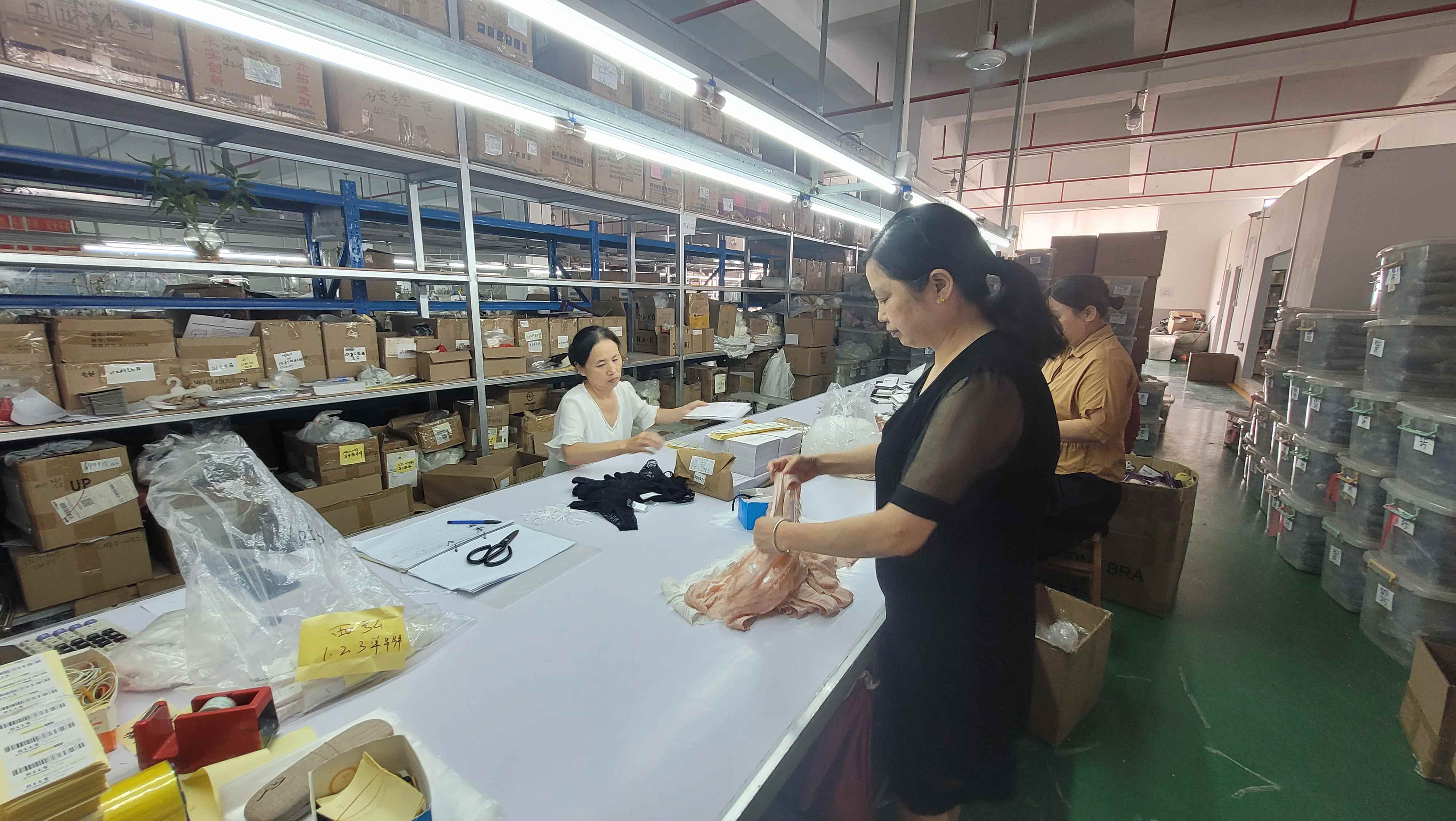
Before approving lingerie or swimwear production, confirm sample fees, included revisions, pattern approval, MOQ drivers, material minimums, inspection criteria, replenishment conditions and batch-issue remedies in writing. Retain the approved sample, technical file and inspection evidence. For cooperation-model context, consult the complete manufacturing partnership guide.
- Separate sample charges from bulk-production prices and confirm whether any fee is credited later.
- Define approval authority, revision limits, tolerances and quality evidence before production.
- Treat repeat orders as new capacity and material commitments, not automatic extensions.
- Document defect evidence, containment, root-cause review and remedy rules.
Policies vary. Ask what the fee covers, how many revisions are included, whether freight and special materials are separate, and whether any amount is credited against a qualifying production order.
Usually only by agreement. Record requested changes, revision charges, approval checkpoints and ownership or permitted use of files. The pattern ownership requirements explain related IP questions.
Garment MOQ concerns production quantity; mills, dye houses, prints, trims or packaging may impose separate minimums. Ask for both figures and review the manufacturing model decision matrix.
Define the approved sample, measurement tolerances, defect classes, inspection stage and lot disposition. The International Organization for Standardization's ISO 2859-1 overview describes lot-by-lot sampling plans indexed by acceptance quality limit. It supports agreeing the sampling plan in advance; it does not make AQL a product-performance guarantee.
No. Reconfirm material availability, color continuity, MOQ, price, capacity, lead time and whether the original approved sample remains the control reference.
Retain purchase and lot references, quantities affected, dated photos, measurements, inspection records and representative samples. Agree deadlines for notice, containment, root-cause review and repair, replacement, credit or another documented remedy.
Compliance and partnership answers
Responsibility for labels and market compliance should also be assigned. The U.S. Federal Trade Commission's Care Labeling Rule business guide explains that covered garment manufacturers and importers must provide care instructions. This means U.S.-bound buyers should confirm who supplies the instructions and the evidence supporting them.
For applicable U.S. apparel, the official 16 CFR Part 1610 publishes the clothing-textile flammability standard. Buyers should determine product scope and required testing with qualified compliance advisers rather than treating a general supplier statement as proof.
Final verification
Place commercial terms, technical approvals, quality criteria, replenishment rules and escalation contacts in the purchase agreement. Review changes before every repeat order and preserve evidence needed to connect any complaint to the affected lot.