Peak-Season Scheduling FAQ for Lingerie and Swimwear Production
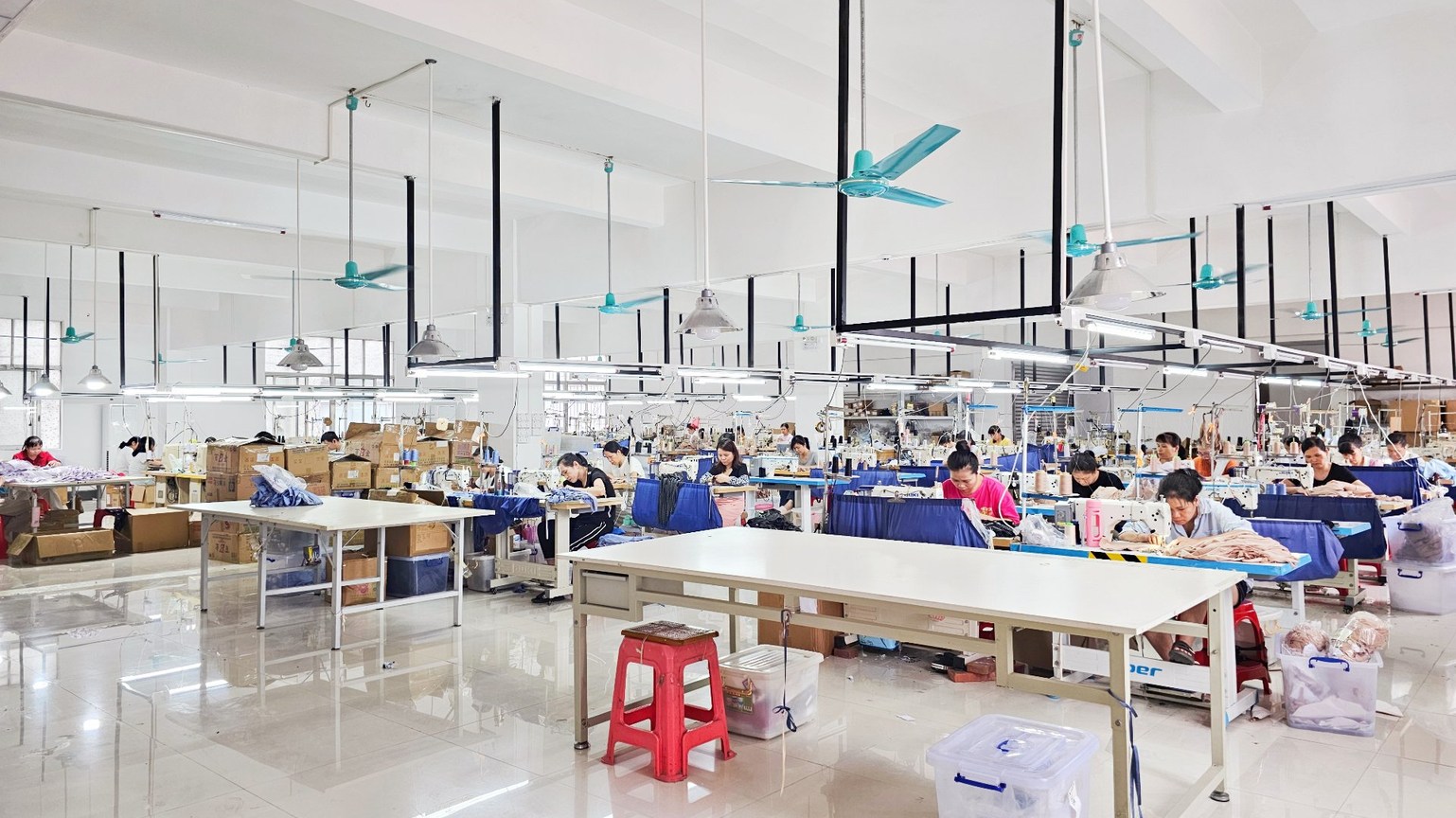
Peak-season lingerie and swimwear orders should be scheduled from the required delivery date backward, using confirmed samples, stable specifications, available materials, documented capacity, inspection resources and the chosen shipping method. A factory opening alone does not make a rush order feasible, and no shipment date should be treated as firm until the dependencies are documented.
- Begin planning before sampling, material booking and production must compete for seasonal capacity.
- A capacity payment should identify the reserved line, quantity, period and buyer obligations.
- Rush approval should not remove testing, inspections or final release controls.
- Confirm dates with records rather than an unsupported delivery promise.
Fix the required arrival date
Allow for freight, customs, warehouse receiving and launch preparation before calculating the factory shipment date.
Close product and material dependencies
Approve the sample, size set, bill of materials, colors, labels, packaging and testing plan. Record whether fabrics and trims are in stock, allocated or still being made.
Request dated production evidence
Ask for a milestone schedule, capacity-reservation terms, inspection dates, shipment assumptions and the owner of each unresolved item.
There is no reliable universal number of weeks. Work backward from the required arrival date and include development, approval, material, production, inspection, freight and contingency time.
It should state the factory or line, production window, quantity, styles, payment conditions, approval deadlines and what happens if materials or specifications are late.
Sampling revisions, fabric production, trim availability, color approvals, line loading, inspection resources and freight bookings can each move the critical path.
No, but their status must be verified. Distinguish stock from supplier confirmation, allocation and completed inbound inspection.
Only when specifications are stable, samples are approved, inputs are ready, capacity is identified, inspections remain scheduled and the freight plan is realistic.
Useful evidence includes approved specifications, material confirmations, a dated production plan, inspection points, testing status, packing completion criteria and freight-booking assumptions.
Advance order planning and scheduling rules
Use the complete lead-time control guide to map the sampling-to-shipment sequence. Do not reserve capacity against an estimated quantity without documenting approval cutoffs and responsibility for delays.
The OECD Due Diligence Guidance for Responsible Supply Chains in the Garment and Footwear Sector explains that enterprise purchasing practices can contribute to supply-chain harm and should be addressed through risk-based due diligence. This supports realistic lead times and controlled order changes instead of shifting schedule pressure without assessing consequences.
Peak-season lead-time variability
A production timeline breakdown helps buyers identify which unfinished dependency controls the date. Capacity, materials and approvals must all align; none is an adequate substitute for the others.
Quality and delivery risks of compression
Compression must not erase applicable compliance gates. The US Consumer Product Safety Commission's Clothing Business Guidance explains the scope of the federal clothing-textile flammability standard and manufacturer responsibilities. For products within scope, schedule pressure does not remove compliance obligations.
The US Federal Trade Commission's Textile Fiber Products Identification Act Rules govern disclosures including fiber content, responsible company identity and country of origin for covered US products. This means label data and material composition should be settled before bulk labeling, not improvised to recover lost time.
Review the delay prevention checklist before accepting a compressed plan. Ask the supplier to identify what changed, which controls remain, and which risk is transferred to the buyer.
Evidence needed before confirmation
Request the current approval register, material status, line window, inspection plan, testing status, packing date and freight assumptions. Treat the date as conditional while any critical item remains open. Xihong Apparel can review these inputs for a proposed order, but feasibility should be confirmed from order-specific records rather than a general promise.
End-to-End Lead-Time Control for Custom Lingerie and Swimwear
Common Delay Causes and Responsibility Checklist for Custom Lingerie and Swimwear Production