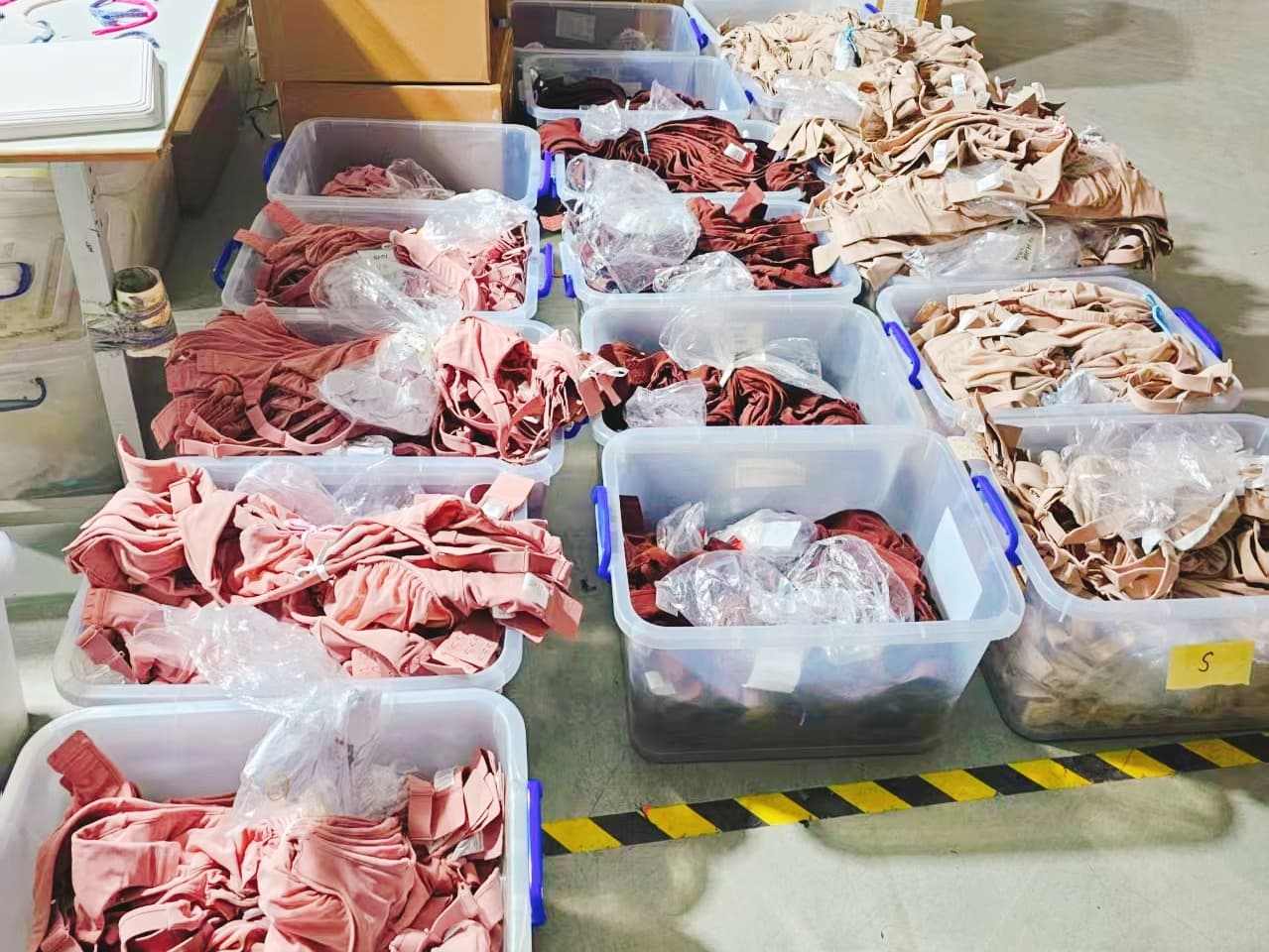
Common Delay Causes and Responsibility Checklist for Custom Lingerie and Swimwear Production

Custom lingerie and swimwear delays should be classified as supplier-controlled, brand-controlled, shared, or external. Do not assign responsibility from the missed shipment date alone. Compare the approved specification, dated approvals, material status, capacity commitment, inspection findings, shipping terms, and change log before deciding who owns the delay and recovery action.
- Supplier-side causes include unreported capacity conflicts, purchasing errors, workmanship failures, and missed internal milestones.
- Brand-side causes include late approvals, incomplete specifications, payment holds, and post-approval design changes.
- Shared risks arise when requirements, revision authority, or response deadlines were never clearly established.
- External events require evidence of impact plus a documented mitigation and revised schedule.
Freeze the specification baseline
Record the approved tech pack, bill of materials, artwork, size set, packaging, quantity, tolerances, sample version, and approval date.
Map the critical milestones
List material booking, sample approval, cutting, sewing, inspection, packing, and shipping handoff with an owner and due date. Use an end-to-end lead-time guide to test dependencies.
Classify the root cause
Separate the triggering event from its consequences, then assign it to supplier, brand, shared, or external control using timestamped evidence.
Issue a recovery plan
State the affected quantity, corrective action, decision owner, new milestone dates, inspection plan, shipping impact, and next escalation time.
No. Responsibility depends on the controlling cause, agreed deadlines, approved baseline, and evidence showing when the critical path changed.
The requesting party generally owns the direct effect, but the supplier should disclose schedule and cost consequences before implementing the revision.
Use approved files, dated messages, purchase and material records, sample comments, production reports, inspection findings, change logs, and carrier handoff records.
Responsibility matrix and warning signs
Supplier-side: watch for missed material orders, silent capacity changes, repeated defects, or late reporting. Request purchase records, production status, inspection findings, containment action, and a revised schedule.
Brand-side: watch for incomplete artwork, conflicting tech packs, late feedback, payment holds, or revisions after approval. Define approval timing requirements and document the schedule effect of each change.
Shared: unclear tolerances, fit comments, color references, packaging instructions, or decision authority make ownership shared until evidence identifies the controlling cause. The ISO 10007 configuration-management overview identifies configuration control and status accounting as structured controls. This supports using one approved specification baseline and revision log, helping buyers prevent obsolete instructions from reaching production.
External: nominated-mill disruption, customs intervention, carrier cancellation, or force-majeure events require notices and records showing actual impact. The International Chamber of Commerce Incoterms 2020 rules allocate delivery tasks, costs, and risks between seller and buyer. They do not identify who caused a factory delay, but they help determine logistics responsibility after the agreed delivery point. Review peak-season scheduling questions before confirming urgent orders.
Evidence, prevention, and escalation checklist
- Confirm the approved specification version and decision authority.
- Record material availability and production-capacity commitments.
- Set approval deadlines and automatic escalation contacts.
- Separate original delay days from days added by later decisions.
- Require a root cause, containment action, corrective action, and revised milestone schedule.
The International Organization for Standardization overview of ISO 9001 describes a process-based quality management system focused on meeting customer requirements and improving processes. It supports documented milestone, nonconformity, and corrective-action controls, but it does not by itself prove which commercial party caused a delay.
Escalate when a critical milestone is missed, evidence is withheld, or recovery dates repeatedly move. Buyers should request verifiable records and agree on the next decision deadline rather than relying on blame-based email exchanges.
Peak-Season Scheduling FAQ for Lingerie and Swimwear Production
Gantt-Style Timeline for Custom Lingerie and Swimwear Production